Why Chemical Fertilizers Burn Potted Roses and Stop Blooming
Many urban gardeners rush to buy chemical NPK crystals or urea when their Rose, Mogra, or Hibiscus stops flowering. While you might get a quick burst of tender leaves, synthetic salts quickly deplete beneficial soil microbes, acidify potting soil, and cause severe tip burn. Plants need slow-release, humic-rich organic nutrients to build strong flower buds naturally.
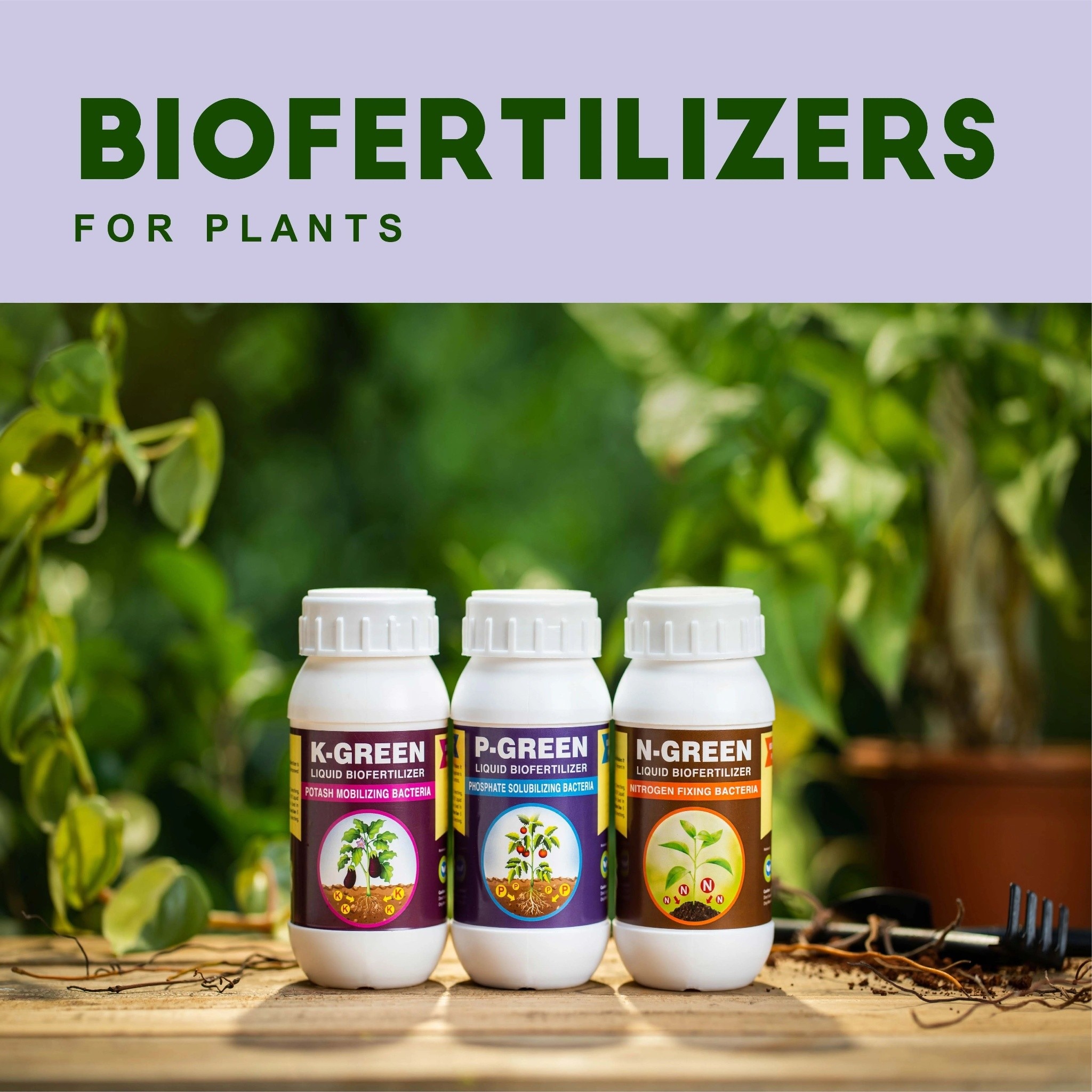
Organic Biofertilizer & Vermicompost
Living microbial plant food for explosive flowering and lush green foliage
- ✓ 100% organic earthworm castings
- ✓ Boosts flowering in Rose, Hibiscus, Mogra
- ✓ Restores depleted pot soil
Step-by-Step Recovery Guide
Gently till the top 2 inches of pot soil with a trowel, taking care not to tear major feeder roots.
Ring the organic vermicompost around the pot circumference, keeping it 2 inches away from the central trunk.
Water immediately after feeding so beneficial nitrogen-fixing and phosphate-solubilizing bacteria activate in the root zone.
Don't wait until root decay reaches the central stem. Providing proper aeration and nutrient balance within the first 48 hours is the difference between losing a plant and watching it flourish.